7 Positive Facts: Can Your Baby Feel Your Emotions During Pregnancy?
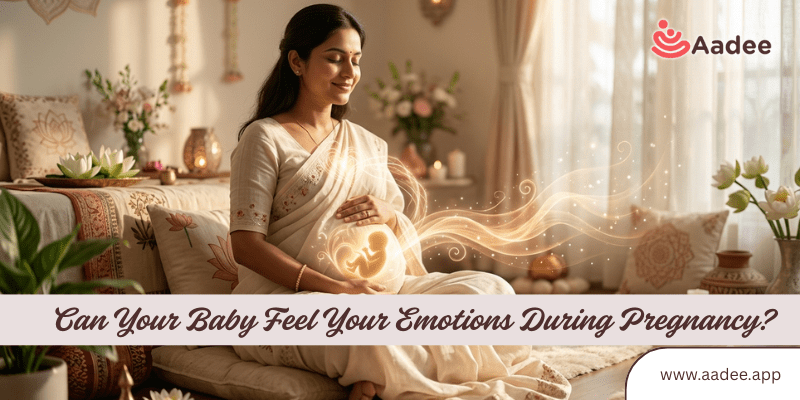
One of the most fascinating questions expectant parents ask is: Can your baby feel your emotions during pregnancy? Modern science and ancient Garbh Sanskar wisdom both suggest that a mother's emotional state can influence the developing baby in meaningful ways. While babies do not experience emotions exactly as adults do, they are affected by the biological changes that accompany maternal feelings.
How Your Baby's Brain Develops in the Womb
Pregnancy is a period of extraordinary growth. From the earliest weeks, your baby's nervous system begins forming. By the second trimester, the brain develops rapidly, creating millions of neural connections.
During this stage, the baby becomes increasingly responsive to sounds, rhythms, and environmental signals. This is one reason why practices associated with Garbh Sanskar benefits often encourage positive thinking, music, meditation, and mindful living during pregnancy.
The Science Behind Maternal Emotions and Pregnancy
When a mother experiences emotions, her body releases different hormones. Happiness, relaxation, and affection are associated with hormones such as oxytocin and serotonin, while stress can increase cortisol levels.
These hormones travel through the mother's bloodstream and influence the environment surrounding the baby. Although the baby does not fully understand emotions, physiological changes may affect fetal development.
Understanding Stress Hormones
Short-term stress is a normal part of life and usually does not harm a pregnancy. However, prolonged stress can lead to consistently elevated cortisol levels. Researchers have explored how chronic stress may influence:
- Sleep patterns during pregnancy
- Maternal well-being
- Fetal growth and development
- Long-term emotional regulation
Maintaining good pregnancy mental health is therefore beneficial for both mother and baby.
Can Positive Emotions Support Fetal Development?
Positive emotions create a healthier and more balanced environment for the developing baby. While happiness alone cannot guarantee outcomes, emotional well-being contributes to overall maternal health.
Studies indicate that calmness, relaxation, and positive social support can help reduce stress levels during pregnancy.
- Listening to soothing music
- Practicing meditation
- Reading uplifting stories
- Connecting with loved ones
- Following mindful pregnancy rituals
What Garbh Sanskar Teaches About Emotions
Traditional Garbh Sanskar practices emphasize the emotional and mental state of parents during pregnancy. Ancient texts describe pregnancy as a period when positive thoughts, spiritual practices, and harmonious surroundings can contribute to the baby's development.
Today, many parents explore these teachings alongside modern medical guidance. The combination of scientific understanding and mindful pregnancy practices can create a nurturing environment.
5 Practical Ways to Cultivate Emotional Balance During Pregnancy
1. Practice Daily Mindfulness
Even ten minutes of mindful breathing can help reduce anxiety and improve emotional awareness.
2. Listen to Calming Music
Soft music may promote relaxation and help establish a peaceful routine.
3. Stay Connected with Supportive People
Strong social support is linked with improved emotional well-being during pregnancy.
4. Prioritize Rest and Sleep
Adequate sleep supports both physical and emotional health.
5. Follow a Guided Garbh Sanskar Program
Structured practices can help parents focus on positivity, connection, and mindful preparation for parenthood.
What Research Says About Pregnancy Mental Health
Medical experts increasingly recognize the importance of emotional wellness during pregnancy. Organizations such as the World Health Organization emphasize maternal mental health as a key component of prenatal care.
Learn more about maternal health from the World Health Organization .
Related Reading
Digital Garbh Sanskar: Can an App Really Guide Your Pregnancy?
Final Thoughts
So, can your baby feel your emotions during pregnancy? Current evidence suggests that babies are influenced by the biological effects of maternal emotions, particularly through hormonal and environmental changes within the womb. This makes emotional well-being an important aspect of prenatal care.
By supporting your own emotional health through mindfulness, relaxation, healthy relationships, and Garbh Sanskar-inspired practices, you can create a nurturing environment that benefits both you and your growing baby.